Syria Struggles to Rejoin Global Finance as Banks Face Roadblocks
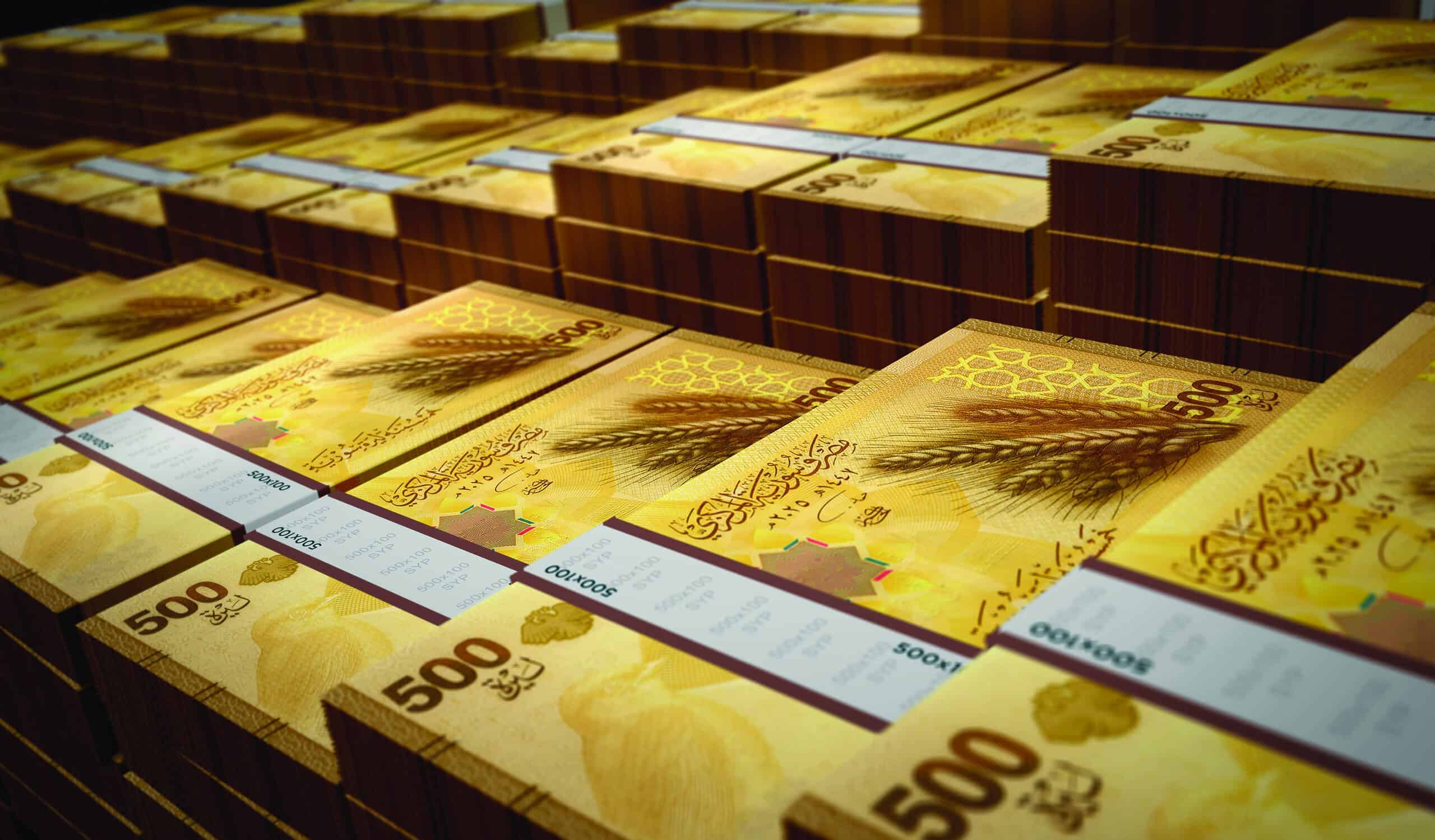
Syria wants to rejoin the world of global finance, but its weak banking sector is holding it back. Global Finance Magazine reported today that deep banking problems continue to block the country from working with international lenders. Without healthy banks, the nation cannot build standard money links with other countries.
Why is Syria blocked from global finance?
The main trouble comes from inside the financial system itself. Most banks in the country have suffered through long years of conflict and isolation. Many local institutions do not have modern security tools, fresh money, or links to foreign partner networks. Because of this, large foreign institutions refuse to process payments or send funds to them.
Years of fighting during the Syrian civil war destroyed regular commerce and cut communication lines. Foreign banks worry about strict rules and penalties if they deal with local firms that lack clear records. As long as Syrian banks remain isolated, standard trade payments and simple cash transfers cannot happen through safe, legal channels.
What this means for everyday people and local shops
A damaged banking sector hurts ordinary citizens long before it hurts big politicians. People trying to rebuild homes or open small corner shops cannot borrow money at normal rates. Many families rely on help sent from relatives living far away, but sending money home remains hard and expensive.
Members of the Syrian diaspora often have to use costly transfer agents instead of regular accounts. This makes daily food and basic medical supplies harder to buy. Here are some of the biggest problems this creates for ordinary people:
- Local shops cannot easily pay for goods brought in from other countries.
- Families pay high fees just to receive cash from relatives working abroad.
- Small companies cannot get low-interest loans to hire workers or repair equipment.
- Foreign investors stay away because they cannot safely move their earnings out.
What needs to happen next for Syrian banks
Fixing these banking troubles will take plenty of hard work and time. Financial leaders must show the world that local banks keep honest records and follow modern anti-fraud rules. Without strong oversight and complete clarity on who owns the money, outside banks will not take the risk of opening trade lines.
For now, leaders and business owners will watch to see if foreign regulators ease any paperwork hurdles. The coming months will show whether local bank managers can update their computer systems and train staff to meet global rules. Until those changes happen, Syria will remain largely locked out from the rest of the world economy.
Labels: banking sector, economy news, Finance news, global finance, middle east business, Syria
posted by you4000 @ November 25, 2026
0 Comments

